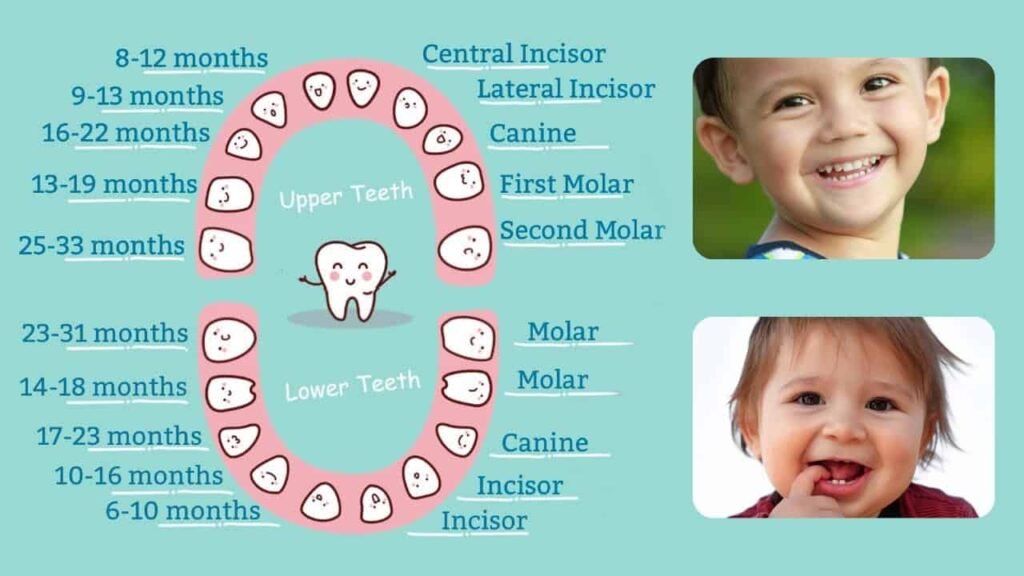
The Essential Baby Teeth Chart: A Guide for Parents
As a parent, one of the important monitoring tasks is the baby teeth formation. The growth of baby teeth is essential for a beautiful smile. This chart lists the times when primary teeth erupt, which may help parents prepare.
This chart outlines important information about when teeth appear and how to care for them. It is an expert-designed guide to ensuring that your child’s teeth grow strong. This baby teething chart is essential for all parents.
Introduction to Baby Teeth Development
Key Takeaways
• Understanding the baby teeth chart is essential for tracking infant teeth development
• A comprehensive baby teething chart includes eruption timelines and care tips
• Parents can use the baby teeth chart to promote healthy teeth development
• The baby teething chart helps parents anticipate and prepare for tooth eruption
• Early identification of potential issues is crucial for healthy teeth development
• A baby teeth chart is a valuable tool for navigating infant teeth development
Understanding Baby Teeth and Their Importance
Baby teeth, or primary teeth, are very important for kids. They help with chewing, speaking, and getting permanent teeth ready. It’s key for parents to know this to take good care of their child’s teeth.
A toddler teeth timeline helps track baby teeth growth. It lets parents spot any problems early. A primary teeth chart is also great for learning about baby teeth.
• Chewing and digestion: Baby teeth help with chewing and digesting food.
• Speech development: Baby teeth help with speech development, as they help shape the sounds of words.
• Guiding permanent teeth: Baby teeth help guide the eruption of permanent teeth, ensuring they come in straight and properly aligned.
Knowing about baby teeth and using tools like a primary teeth chart helps parents. It ensures their child’s teeth grow well. This sets them up for a lifetime of good oral health.
Complete Baby Teeth Chart and Timeline
Knowing the baby teeth growth stages is key for parents. It helps them track their child’s dental growth. A detailed baby teeth chart shows when primary teeth start coming in, usually at six months.
This chart tells parents when to expect each tooth. It also shows how to take care of them. It’s a vital part of the baby teething guide.
Baby teeth, or primary teeth, start coming in at six months. They keep coming until the child is about three years old. The chart helps parents know the different baby teeth growth stages.
It also tells them how to care for their child’s teeth.
Here is a brief overview of what to expect:
• Lower front teeth (central incisors): 6-10 months
• Upper front teeth (central incisors): 8-12 months
• Upper lateral incisors: 9-13 months
• Lower lateral incisors: 10-16 months
By following the baby teething guide, parents can help their child’s teeth grow strong. Regular dental visits and a healthy diet are also important. They help keep teeth healthy.
Signs Your Baby Is Starting to Teeth
As a parent, knowing the signs of teething is key. Teething symptoms in babies can be hard to spot. But knowing these signs helps you care for your child better.
Teething is tough for babies. It’s important to know the common symptoms. These include drooling, being irritable, and losing appetite. Spotting these signs lets you soothe your baby and ease their discomfort.
Common Teething Symptoms
• Drooling and excessive saliva production
• Irritability and fussiness
• Loss of appetite
• Swollen and tender gums
Knowing the baby molar chart helps you guess when teeth will come. The first teeth are usually the lower front ones. Then come the upper front teeth. Knowing about teething symptoms and baby teeth growth helps you care for your child’s teeth.
Order of Baby Tooth Eruption
The baby tooth eruption order is a big step in a child’s life. It shows how they grow. The first teeth to come in are the lower front teeth, then the upper front teeth. This starts when the child is about six months old and goes until they are three years old.
Parents will see the first teeth coming in, which are the incisors. Then come the molars, canines, and the second molars. The baby teeth growth stages can differ, but the order is mostly the same. It’s important for parents to watch their child’s teeth and talk to a pediatric dentist if they worry.
Here are the main stages of baby tooth eruption order
- Lower front teeth (incisors): 6-10 months
- Upper front teeth (incisors): 8-12 months
- Lower molars: 12-16 months
- Upper molars: 16-20 months
- Canines: 16-22 months
- Second molars: 22-28 months
Knowing the baby tooth eruption order and baby teeth growth stages helps parents spot problems early. By watching their child’s teeth and keeping them clean, parents can keep their child’s teeth and mouth healthy for years.
Understanding the Different Types of Baby Teeth
Parents often wonder about baby teeth types. A baby molar chart helps understand baby tooth eruption. Baby teeth start coming in at six months and finish by three years old.
The different types of baby teeth include:
• Incisors, which are the front teeth
• Canines, which are the pointed teeth on either side of the incisors
• Molars, which are the back teeth used for grinding food
Knowing about baby teeth helps parents care for their child’s teeth. A baby molar chart lets parents track their child’s teeth growth. It helps spot any problems early.
Central and Lateral Incisors
These are the front teeth, for biting and cutting food. They are the first to come in. They are key to a child’s smile.
Canines and Their Function
Canines, or cuspids, are the pointed teeth next to incisors. They help with tearing and piercing food. They are important in the baby tooth eruption process.
Primary Molars Explained
Primary molars, or baby molars, are the back teeth for grinding food. They are vital in the baby molar chart. They help children chew and digest food.
Essential Care Tips for Baby Teeth
Caring for baby teeth is very important. It helps them grow strong and healthy. As a parent, following baby oral care tips is key. This ensures your child’s teeth grow well.
Proper caring for baby teeth means regular cleaning. It also means a balanced diet and dental check-ups.
Here are some important tips for baby teeth growth and oral health:
• Brush your baby’s teeth gently with a soft-bristled toothbrush and a small amount of toothpaste.
• Feed your baby a balanced diet rich in fruits, vegetables, and whole grains.
• Avoid giving your baby sugary snacks and drinks that can lead to tooth decay.
By following these baby oral care tips, you can help your child have strong teeth. Regular dental visits are also important. They help monitor baby teeth growth and catch problems early.
Remember, caring for baby teeth is an investment in your child’s health. It’s for their long-term well-being.
Common Concerns During Teething
Teething can be tough for babies. Parents worry about how to ease their pain. They look for teething pain relief methods.
There are many baby teething products out there. But, it’s key to pick safe and good ones.
A pediatric dentist can help a lot. They know how to ease teething pain and suggest safe products. Some common worries include:
• Managing teething pain
• Choosing safe teething products
• Knowing when to contact a pediatric dentist
It’s important to tackle these worries. This way, the baby’s teething can go smoothly. By learning about teething pain relief and baby teething products, parents can make smart choices. Talking to a pediatric dentist can also give parents peace of mind.
Every baby is unique. What works for one might not work for another. By staying informed and talking to a pediatric dentist, parents can help their baby through teething easily.
Nutrition and Oral Health for Babies
Proper baby nutrition is key for healthy teeth in infants. A balanced diet gives teeth and gums the nutrients they need. It’s important for parents to know how oral health for babies affects their health.
A diet full of fruits, veggies, and whole grains is good for healthy teeth in babies. Foods that help oral health for babies include:
• Calcium-rich foods like milk and cheese
• Phosphorus-rich foods like meat and fish
• Fiber-rich foods like fruits and vegetables
But, some foods and things should be avoided during teething. They can harm baby teeth. These include:
• Sugary snacks and drinks
• Acidic foods and beverages
• Hard or sticky foods that can damage teeth
By giving a balanced diet and keeping up with oral health for babies, parents help their kids have strong healthy teeth. Regular dental visits and a healthy lifestyle also help the child’s overall health.
The Transition to Permanent Teeth
As kids grow, their baby teeth fall out. This makes room for permanent teeth to come in. This is a normal part of growing up.
The change from baby teeth to permanent teeth starts around age 6. It keeps going until the child is about 12.
Parents should watch for signs like swelling or red gums. Keeping teeth clean is key. This helps the new permanent teeth stay healthy.
Knowing the difference between permanent teeth vs baby teeth is important. It helps spot any problems early.
Some important things to remember include:
• Watching the baby teeth falling out and making sure the permanent teeth are coming in right
• Helping kids keep their teeth clean to avoid problems
• Going to the dentist regularly to check on the permanent teeth
Special Considerations and Warning Signs
As a parent, knowing about dental problems in babies is key. Regular dentist visits can spot issues early. This helps treat problems before they get worse. Common issues include tooth decay, gum disease, and teeth that don’t line up right.
If your baby has a toothache, swollen gums, or bleeding, get help fast. A pediatric dentist can guide you. They can also help with issues like delayed teething or teeth that don’t align right.
Watch for these warning signs:
• White or brown spots on the teeth
• Red or swollen gums
• Bleeding or discharge from the mouth
• Difficulty feeding or eating
By watching for these signs and taking steps to prevent dental problems in babies, you can help your child have a healthy smile. Regular dentist visits and good oral care are important. They help avoid emergency dental care and catch development variations early.
Conclusion: Maintaining Your Child's Dental Health Journey
As your child’s baby teeth chart fills out, it’s key to keep their oral health in check. Making sure they have a healthy smile is a big job. It needs care and attention all the time.
Don’t forget, regular dental visits, brushing, and flossing are very important. A diet full of good nutrients also helps. These steps help your child’s teeth stay strong and healthy.
Seeing your child’s dental health as a journey is rewarding. Celebrate each step and talk to your dentist about any worries. Your hard work will show in your child’s smile, making it bright and confident for years to come.
FAQ
What is a baby teeth chart?
A baby teeth chart is a visual guide. It shows when a baby’s primary teeth come in. It helps parents track their child’s dental growth.
When do babies typically start getting their first teeth?
Babies usually get their first teeth at 6 months. But, it can happen earlier or later. The first teeth are the lower central incisors.
How many teeth do babies have when they are born?
Babies are born without teeth. The first teeth come between 4 and 7 months.
What is the normal order of baby tooth eruption?
The normal order is: – Lower central incisors (bottom front teeth) – Upper central incisors (top front teeth) – Upper lateral incisors (beside the top front teeth) – Lower lateral incisors (beside the bottom front teeth) – First molars – Canines (pointed teeth) – Second molars
What are the different types of baby teeth?
Baby teeth include: – Incisors: The front teeth for biting and cutting – Canines: The pointed teeth for tearing – Molars: The flat teeth in the back for chewing
How can I care for my baby’s teeth?
Here are some tips: – Gently wipe their gums with a clean, damp washcloth before teeth appear. – Use a soft-bristled baby toothbrush and a small smear of fluoride toothpaste to brush twice a day. – Avoid putting your baby to bed with a bottle to prevent tooth decay. – Limit sugary foods and drinks and encourage a healthy diet.
When should I take my baby to the dentist for the first time?
Take your child to the dentist by their first birthday. Or within six months of their first tooth erupting.
What are common teething symptoms?
Common symptoms include: – Irritability and fussiness – Drooling – Swollen or tender gums – Chewing on objects – Disrupted sleep patterns
When do baby teeth typically fall out?
Baby teeth start falling out around age 6. The first to go are the lower central incisors. By age 12-13, all 20 baby teeth are lost, making way for 32 adult teeth.
