Diaper Size Chart: Find Your Baby's Perfect Fit Today!
The determination of appropriate diaper sizes represents a difficult task until you consult this extensive diaper size chart guide for help. Pampers collaborated with families to obtain half a million diaper-fit measurements which helped establish their weight-based diaper size chart. The chart maintains proper tailoring as well as leak prevention throughout your baby’s development.
You can easily understand Pampers Diaper Size Chart information
Diaper size charts serve as fundamental instruments which parents constantly need during diapering. Weight along with age determines the right size of diaper through properly structured charts. Your baby will receive an ideal fit through the selection of either weight-based or age-based diaper size charts which minimizes leakage and distress. Infants who recently arrived in the world need diapers sized 0 or 1 but children with larger bodies require bigger diaper sizes.
Liquid Absorbency charts exist for Huggies and Pampers brands which provide both a Huggies diaper size chart and a Pampers diaper size chart. The product charts of these brands simplify finding specific products which match your baby. The use of weight-based measurements becomes particularly valuable for international parents through a diaper size chart presented in kg.
Pampers Baby Diaper Size Chart
|
Pampers Diaper Size |
Baby Weight (lbs.) |
Average Number of Diapers Per Day |
Duration in Size (In months) |
Available Diaper Types |
ShopNow |
|---|---|---|---|---|---|
|
Size P1 Diapers |
<6 lbs |
as needed |
as needed |
Swaddlers |
|
|
Size N diapers |
<10 |
up to 10 |
1.6 |
Pure Protection, Swaddlers, Baby-Dry |
|
|
Size 1 diapers |
8-14 lbs |
up to 9 |
1.7 |
Pure Protection, Swaddlers, Baby-Dry |
|
|
Size 2 diapers |
12-18 lbs |
up to 8 |
2.8 |
Pure Protection, Swaddlers, Baby-Dry |
|
|
Size 3 diapers |
16-28 lbs |
up to 7 |
5.8 |
Pure Protection, Swaddlers, Swaddlers Overnights, Swaddlers 360, Baby-Dry, Cruisers 360 |
|
|
Size 4 diapers |
22-37 lbs |
up to 7 |
6.8 |
Pure Protection, Swaddlers, Swaddlers Overnights, Swaddlers 360, Baby-Dry, Cruisers 360, Easy Ups, Pure Protection Pant |
|
|
Size 5 diapers |
27+ lbs |
up to 6 |
5.0 |
Pure Protection, Swaddlers, Swaddlers Overnights, Swaddlers 360, Baby-Dry, Cruisers 360, Easy Ups, Pure Protection Pant |
|
|
Size 6 diapers |
35+ lbs |
up to 6 |
5.8 |
Pure Protection, Swaddlers, Swaddlers Overnights, Swaddlers 360, Baby-Dry, Cruisers 360, Easy Ups, Pure Protection Pant |
|
|
Size 7 diapers |
41+ lbs |
up to 6 |
4.1 |
Pure Protection, Swaddlers, Swaddlers Overnights, Swaddlers 360, Baby-Dry, Cruisers 360, Easy Ups, Pure Protection Pant |
|
|
Size 8 diapers |
46+ lbs |
varies |
– |
Swaddlers |
How to Use the Chart:
Weight ranges
The chart uses diaper sizes linked to baby weights to achieve proper fit and comfort. Measurement of your baby’s weight occurs either through self-validation at home or during scheduled well-baby check-ups. For example, a size 1 diaper’s weight rangeis for a baby between 8 and 14 pounds, whereas a size 2 diaper’s weight rangeis between 12 and 18 pounds. A size 4 diaper weight range fits babies who weigh 22 to 37 pounds while babies of 27 pounds and larger need a size 5 weight diaper.
Number of diapers per day. This is an average, and your baby’s needs might vary.
Duration in each size. The estimated time a baby stays at each clothing size until moving up to the next size is known as clothing duration. The rate of each baby’s growth is personal so parents must actively check for clothing sizes.
Diaper types
The size chart specifies all the Pampers diaper variations for each specific size. Parental choice of diaper selection depends on their baby’s requirements for nighttime protection or swimming purposes. Simultaneously the weight scale between sizes can overlap thus parents need to observe the diaper fit to determine proper size transitions. The following article provides information about selecting the correct diaper size along with advice on recognizing growth indicators and suitable Pampers choices. The guide will teach you methods to stop leaks while blowouts which leads to a more convenient diapering routine.
Newborn Diapers
Deciding the right diaper becomes vital during newborn care because it guarantees both comfort and dryness for your little one. They create small diarrhetic products called Infant diaper sizes Size N (Size N) for babies who weight under 10 pounds. The newborn diapers include a shaped opening for umbilical cords to ensure it remains protected for healing during the early weeks of life.
- The high diaper consumption of newborns reaches approximately ten diapers in a day thus parents need to stock adequate supplies.
- Pampers provides three preemie sizes of diapers which fit newborns of any size so they maintain secure protection in every case.
- The growth of your baby needs regular weight checks to determine the right time for moving from newborn diapers to the following size. Most parents usually need to move to size 1 diapers after three months because their babies become heavier.
- The articles on our page provide guidance about umbilical cord care alongside information about newborn diaper usage predictions for parents before their baby comes.
Common Questions About the Diaper Size Chart
- How Do I Know When to Size Up?
Your baby requires a bigger diaper size in case you observe any of these indicators.The diaper becomes excessively tight when you cannot insert two fingers into the waistband while the fastening tapes fail to reach the center of the waistband and your baby develops red marks on the tummy or thighs and leakages happen frequently along with blowouts.
- Is it sensible to accumulate large quantities of diapers of only one size?
The growth pattern of babies differs from one child to another so buying diapers on demand remains the most effective strategy. The diaper size chart serves as a general guideline since newborn growth differences can occur. Small purchases of diapers should be made first before stocking up because you can be sure of future diaper requirements.
- How Long Does My Infants Remain in Different Diaper Dimensions?
On average:
Size N newborn diapers remain suitable for 1.5 months of diaper use before the baby shifts to size 1 diapers in the second month.Wearing a specific diaper size lasts between 2-3 months until progression to the next size.Every child develops at their individual pace which means checking progress and size changes become necessary.
- The average number of daily diaper usage for newborns reaches 8 to 12 each day.
Infants who are newborns need between eight to twelve diapers daily but older children require six to eight diapers during each day. The diaper size chart provides estimated diaper consumption numbers according to growth stages so you can prepare in advance.
- It is possible to apply one diaper size for day hours alongside night hours.
Not necessarily! According to the diaper size chart you can select the correct size fit but overnight diapers serve as a better solution for night-time use. The exceptional absorbent properties in overnight diapers provide extra security to keep your baby dry and relaxed throughout their nighttime period.
- You should determine the number of diapers to buy for each diaper size whenever possible or as needed.
Different babies develop at various speeds which means purchasing diapers only when necessary is the best decision. The diaper size chart presents estimated diaper usage statistics for each developmental period.
- When Will Each Diaper Dimension Become Too Small for My Baby?
An average newborn requires size N diapers for 1.5 months before needing size 1 diapers. Diaper size charts give approximate guidance yet every infant has their specific measurements.
When to Size Up Diapers
The signs indicate your baby needs a bigger diaper size which extend beyond the simple increase in weight. The timing of your baby’s diaper size update will keep him comfortable while preventing leaks from happening. Other signs that indicate your baby needs a larger diaper include these three indicators:
- A diaper size upgrade becomes necessary whenever the fastening tapes do not extend to the center of the waistband. Too large diaper size will cause the fastening tapes to overlap with each other.
- The diaper needs replacement with the next size up if you cannot insert your two fingers comfortably beneath the fastened waistband.
- When your baby develops red marks during diaper removal on their tummy area and thighs it suggests that their diapers need to be stepped up to a larger size.
- You need a larger diaper size when the bottom of your baby remains uncovered.
- Research shows that diaper rash occurs frequently when the diaper size is not appropriate to keep moisture away from the skin.
- Your baby needs a larger diaper size if they demonstrate discomfort like frequently trying to remove the diaper from their body.
- Active monitoring of these warning signals enables you to select the right diaper fit which will provide better comfort to your baby. Explore additional tips about diaper sizing improvements by trying out the Pampers quiz included below.
How Should a Diaper Fit?
A diaper fit becomes unique for each baby since their physical dimensions differ from one another. The sizing system for Pampers baby diapers relies on weighing your newborn because it provides the most effective method to find the perfect fit instead of considering chronologic age or gender. Diaper size selection depends on your baby’s weight because most measurements fit within their designated weight categories yet occasional measurements may lead you to select from two overlapping sizes.
These three basic sizes work for weight groups starting from 22 to 37 pounds for size 4 due to increased weight categories requiring sizes 5 and 6 for 27 pounds and up and 35 pounds and beyond.
The correct diaper fit requires following these steps when the diaper overlaps each other:
- For proper fit position the waistband directly just below the belly button.
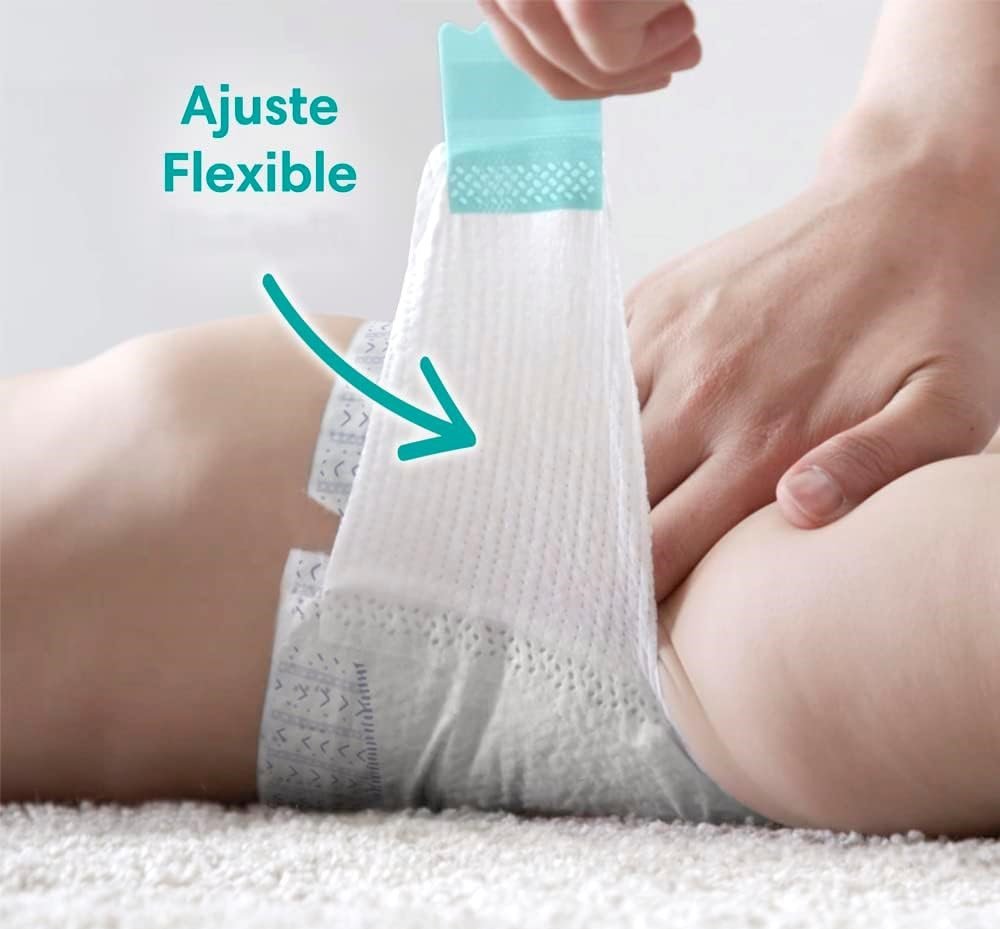
- When looking at the leg cuffs the diapers must be free from any gaps. You should place two fingers between the leg cuffs after diaper application to minimize leaks.
- The waistband should allow two fingers to slide underneath it after diaper fastening. This positioning verifies that the diaper fits appropriately between being too tight or too loose.
- A visual examination of your baby’s skin should be done after diaper removal to detect any red marks. Toxic red marks on the skin potentially indicate tight diaper fit so you should verify both size and fit configuration.
- Proficient diaper fit will prevent both uncomfortable situations and leaks and blowouts from occurring. The correct fit creation will help your baby maintain both dryness and happiness during the entire day. We offer My Perfect Fit which helps parents determine the suitable diaper dimensions for their babies.
- Which Pampers Diaper Is Best for My Baby?
- The diaper requirements of your baby will transform when they reach different developmental stages. Pampers provides the entire spectrum of diaper sizes together with related products to accommodate babies at all development stages from newborn to active toddler.
